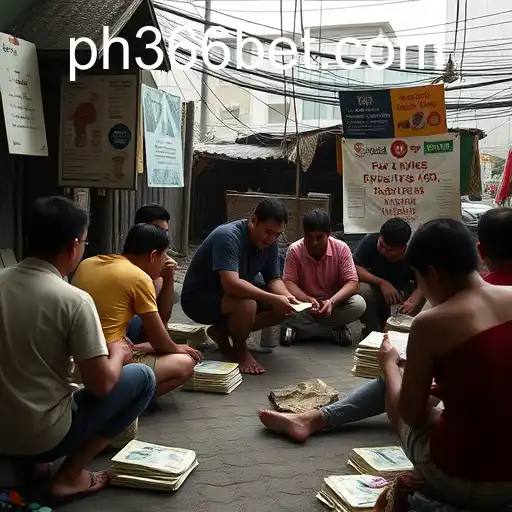
Understanding Jueteng: The Infamous Numbers Game
Jueteng is a deeply embedded part of the cultural and social fabric in the Philippines. Despite being illegal, it has gained notoriety and a level of acceptance that perpetuates its enduring presence. It shares similarities with lottery games worldwide but is deeply marked by its local dynamics. This analysis dives into Jueteng's notorious reputation, particularly focusing on the relevance of the keyword PH366 in its operations.
The Historical Roots of Jueteng
Tracing back the history of Jueteng unveils a tale of adaptation and survival. Originating during the Spanish colonial period, the game has morphed over centuries, intertwining with Philippine culture and society. The mechanism is simple; bettors choose two numbers from 1 to 37, hoping to win against the odds. But beyond simplicity lies a complex network involving bettors, cobradors (collectors), ushers, and financiers who handle substantial sums of money daily.
The System Behind Jueteng
Jueteng operations are systematically organized despite their illegal nature. At the helm are the financiers or 'jueteng lords,' who manage the entire operation. The cobradors canvass neighborhoods, collecting bets ranging from a few pesos to significant amounts. Draws occur two to three times daily, with winning numbers determined by combinations sourced from legitimate gambling results or other agreed-upon methods that often include dubious practices, like rigged draws.
PH366: Cracking the Code
The keyword PH366 often surfaces in discussions regarding Jueteng, largely due to its cryptic association with insider jargon used to veil operations. PH366 can refer to code sequences used within clandestine betting networks, highlighting how secrecy is maintained amidst widespread scrutiny. The code epitomizes the adaptation tactics utilized by those involved to evade legal ramifications.
The Socio-Economic Impact of Jueteng
Examining Jueteng also requires considering its socio-economic implications. For many, Jueteng is more than a gamble; it represents an opportunity, however slim, to overcome economic disparity. In poverty-stricken areas, it often masquerades as a form of social equalizer, offering a shred of hope for financial mobility. Yet, its pervasive nature means that it often becomes a financial burden rather than a boon.
Government advocacy and anti-Jueteng measures prove challenging due to its deep-rooted presence. In regions where legitimate employment is scarce, Jueteng provides livelihood for scores of citizens, from the grassroots cobradors to top-level managers.
Legal and Political Dimensions
Despite laws against it, Jueteng persists due to its concealed network and alleged collusion between operators and local officials. Arrests linked to the game rarely lead to significant dismantling of the operation, usually solemnly dubbed as token efforts without substantial success. The loopholes in enforcement offer a glimpse into the complex interplay between law enforcement and political incentives.
Challenges in Eradicating Jueteng
Eliminating Jueteng in the Philippines poses profound challenges. A factor contributing to the difficulty in outlawing Jueteng is corruption within law enforcement agencies. Police officers and officials sometimes benefit financially from Jueteng activities, feeding into the cycle of exploitation and crime.
Efforts to combat Jueteng frequently involve broader anti-corruption initiatives that tackle the systemic issues. While the government introduces alternative legal betting options, such as the PCSO-operated lotteries, effectively offering a legal choice to gamblers, the penetration of illegal betting networks often overshadows these efforts.
Strategies for Effective Intervention
Addressing the Jueteng conundrum requires a multi-faceted approach. Stronger legislative measures combined with sincere enforcement of anti-gambling laws can work in tandem to reduce the prevalence of Jueteng. Moreover, direct public education about the risks associated with illegal gambling could dissuade potential bettors.
Economic upliftment programs targeted at areas where Jueteng thrives might offer practical incentives to shift away from illegal gambling, thereby reducing the dependency on such illicit operations.
Ultimately, genuine political will and community engagement appear pivotal in significantly diminishing the impact and existence of Jueteng. The adaptation of modern technology in surveillance and monitoring could also prove beneficial in cracking down on such operations.
The Future of Jueteng
Evaluating Jueteng's future reveals a future intertwined with both challenges and opportunities. The game's intricate operations, its role in the socio-economic milieu, and the social acceptance in some quarters showcase the complexity involved in its eradication.
As society and technology evolve, so too will the approaches to combating and understanding Jueteng. The keyword PH366 remains a glaring testament to the lengths to which operators go to maintain the status quo. Removing Jueteng from the Philippine landscape will likely require a renewed commitment to change, driven by new strategies and authentic engagement from all sectors of society.
The enduring challenge of Jueteng insists on a persistent effort from government agencies, the private sector, and civil society to offer viable alternatives and implement policies that empower Filipinos towards a future free from the burdens of illegal gambling.